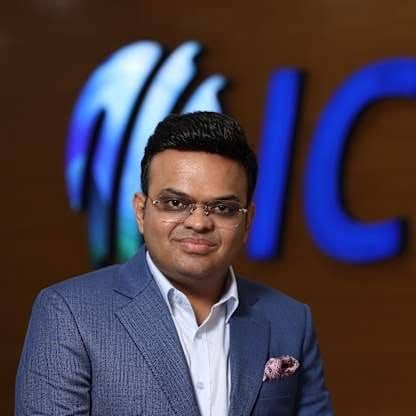
Jay Shah has secured another term as Chairman of the International Cricket Council, elected unopposed at the governing body’s board meetings in Bali. For a man who has enjoyed a remarkable rise through cricket administration, it is another feather in his cap. But the bigger question is what his continued leadership will mean for a game increasingly divided between the haves and have nots.
At 38, Shah is already among the most influential figures in world cricket. Having served as Secretary of the Board of Control for Cricket in India before taking charge of the ICC in December 2024, he brings considerable administrative experience and importantly, an understanding of the commercial machinery that keeps the modern game afloat.
His re election was hardly a surprise. India’s financial muscle has made it the undisputed powerhouse of world cricket, and Shah has built strong relationships across the cricketing fraternity. His unanimous return suggests that the member boards see continuity as preferable to a change of guard.
Yet running the ICC is a different kettle of fish from running Indian cricket.
The BCCI can afford to make decisions with its own interests foremost. The ICC chairman, however, must look beyond national loyalties and ensure that the game prospers in countries where cricket does not command enormous television audiences or lucrative sponsorship deals.
That will be the real examination of Shah’s leadership.
Cricket’s return to the Olympics in Los Angeles in 2028 offers a golden opportunity to take the sport beyond its traditional strongholds. Shah has understandably identified the Games as a major priority.
“We are entering one of the most important and exciting periods in our sport’s history,” Shah said following his reappointment.
He believes the Olympics can introduce cricket to new audiences and inspire another generation.
But Olympic participation alone will not make cricket a truly global sport. Countries such as Nepal, the Netherlands, Scotland and the United States need meaningful international fixtures, improved facilities and financial assistance if they are to compete consistently with established nations.
Then there is the thorny question of Test cricket.
The World Test Championship remains an exclusive club, with nine countries participating while Zimbabwe, Ireland and Afghanistan are left outside. The reluctance to expand the competition reflects the commercial realities confronting the ICC, but it also raises uncomfortable questions about the governing body’s commitment to developing the longer format.
If cricket’s richest nations continue to play one another while smaller countries struggle for opportunities, the gap will only widen.
Shah must also confront the increasingly congested international calendar. Franchise leagues are mushrooming across the globe, offering players financial security that international cricket, particularly outside the wealthiest boards, cannot always match.
There is nothing wrong with players earning handsome rewards. But unless a sensible balance is struck, bilateral cricket risks becoming an inconvenience rather than the backbone of the international game.
Women’s cricket presents another opportunity. Investment, improved domestic structures and greater international exposure can transform the sport. Shah has spoken repeatedly about its development, and his second term offers an opportunity to turn those ambitions into lasting progress.
For smaller Full Members such as Sri Lanka, the stakes are considerable. Financial sustainability, a meaningful international calendar and a fairer distribution of opportunities are not merely administrative concerns. They are essential to remaining competitive.
Shah’s greatest challenge, therefore, is not securing another term. He has achieved that without facing an opponent.
It is ensuring that cricket’s extraordinary wealth benefits more than a privileged few.
The ICC has never lacked grand plans or ambitious declarations. What it has often lacked is the willingness to make difficult decisions when the interests of its most powerful members are at stake.
Shah now has another innings to demonstrate that he is not merely an accomplished administrator from cricket’s richest nation, but a leader prepared to serve the entire cricketing world.
That, rather than another unopposed election, will ultimately define his legacy.