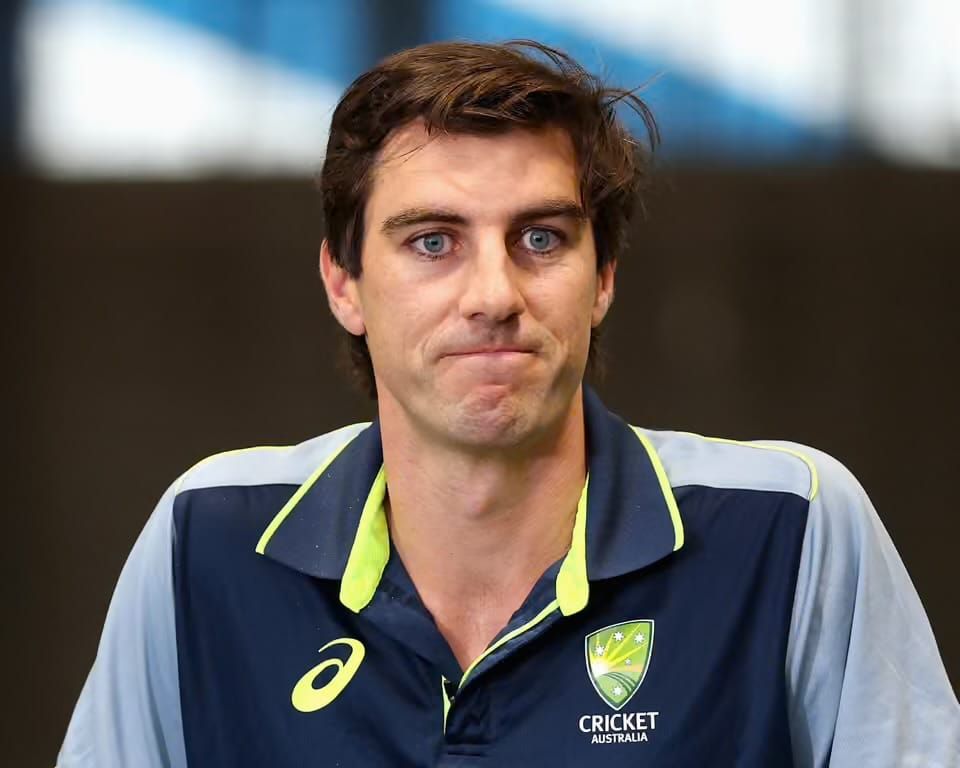
Pat Cummins came out swinging on Friday, dismissing Usman Khawaja’s account of the sandpaper scandal as “complete and utter nonsense” and accusing his former teammate of treating lives and reputations carelessly.
Eight years after Cape Town brought Australian cricket to its knees, the fallout has returned to the dressing room, with Khawaja’s autobiography, Sabr, exposing a sharp divide over who knew what.
Cummins insisted there had been no organised scheme involving the bowlers to use sandpaper, rejecting both prior knowledge and any suggestion that he had helped devise the operation.
“When he says we all knew, if by that he means that we knew sandpaper was going out on the field, he’s 100% wrong,” Cummins said. “I’ve said that consistently for the last eight years, I did not know that was happening.”
The Australian captain reserved his strongest response for suggestions that his involvement went beyond simply knowing what Cameron Bancroft was carrying onto the field.
“He says that I and others were architects of a scheme to ball tamper with sandpaper. That’s complete and utter nonsense.”
Cummins said he was shocked by Khawaja’s admission that he had warned Bancroft to be careful when using sandpaper. He questioned why a player who subsequently helped rebuild Australia’s cricket culture had not stopped it immediately.
“Usman’s a friend, but friends aren’t casual with each other’s lives and reputations.”
While supporting Khawaja’s right to tell his story, Cummins said that freedom came with accountability. The disagreement has travelled beyond differing recollections of a notorious afternoon.
He also rejected the idea of a dressing room blueprint for illegal ball management.
“There’s no grand plan. There’s no team meeting. There’s no bowlers saying this is what must happen.”
Cummins nevertheless recalled seeing a senior New South Wales batsman use a bottle cap on the ball during a Sheffield Shield match early in his career. He declined to identify the player or match, saying the umpires intervened and ordered the player to stop.
He also disputed recollections of a meeting at which Khawaja urged the team to accept collective responsibility, saying neither he nor several others he had consulted remembered such a discussion.