by Shahid Hashmi
Regeneration is essential to the survival and progress of any sporting team. Without renewal, there can be no rebuilding, no fresh thinking and little prospect of sustained success. At times, regeneration can even lead to a revelation, exposing what a team has been missing and identifying the talent required to move forward.
But regeneration is supposed to be a gradual, carefully managed process. It cannot be driven by panic.
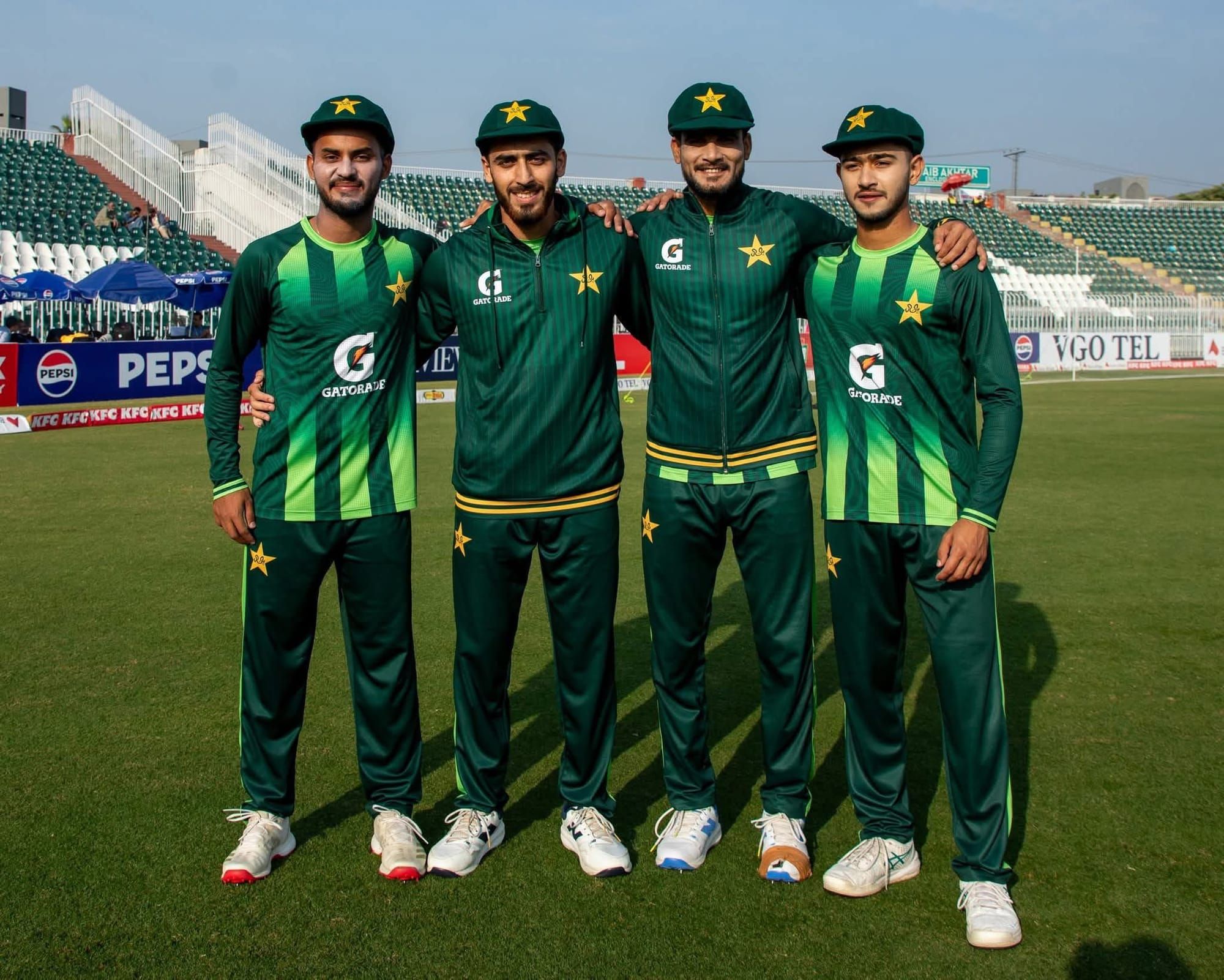
When Pakistan walked out for the first Test against Sri Lanka, the team sheet told a remarkable story. Alongside a seemingly helpless captain, Babar Azam, were the names of four debutants. Their inclusion took Pakistan's tally of new Test players in 2026 to 12, a full dozen.
The last time Pakistan handed out as many Test caps in a calendar year was in 1952, their inaugural year in international cricket and naturally there had to be many debutants.
Twelve debutants in just eight Tests is not necessarily evidence of reconstruction. It could just as easily be a sign of chaos. The last three years has also seen Pakistan introducing 16 fast bowlers, some touted as 140kph plus and some as wicket taking magicians.
Similarly, Pakistan has tried 21 new players in the last three years in ODIs – aiming to build towards the 2027 World Cup.
Some of those selected have been chosen almost entirely on potential, with little experience to support their elevation. Fast bowler Razaullah had played just nine First Class matches when he made his Test debut at Edgbaston.
Tayyab Arif, one of the debutants in Rawalpindi, had made his First Class debut barely two months earlier.
Meanwhile, a host of established domestic performers, who have spent years piling up runs and taking wickets, have been left wondering what more they must do to earn a Pakistan cap.
The apparent policy is simple: find results and find them quickly. But international cricket rarely rewards such impatience.
The numbers make the scale of the upheaval even more striking. Pakistan have handed out 27 new Test caps over the past three years. Before 2026, the country had not introduced more than nine Test players in a single calendar year since 1964.
Pakistan cricket, it seems, is now operating by the dozen.
Unsurprisingly, the policy has drawn criticism from former players who believe the coveted green cap should be earned through a more rigorous process.
"It's on sale," quipped former Pakistan captain Rashid Latif.
"You get a dime a dozen when the captain (Babar Azam) doesn't choose his team. When the Head Coach Mike Hesson and man from the national academy Aqib Javed get the sole power then you get so many debuts.
"We had captains like Imran Khan, Javed Miandad, Inzamam-ul-Haq and Mushtaq Mohammad, they used to select mature players and remember a good captain exerts power and it's not given to you on a plate."
Latif's criticism also points to an intriguing contradiction in Pakistan's recent selection history. Between early 2021 and 2023, Babar enjoyed considerable influence over team selection, often favouring familiar players rather than exploring alternative options.
Whenever Pakistan required an all-rounder in white-ball cricket, he frequently turned to Faheem Ashraf or Shadab Khan. His preference for longtime associate Usman Qadir over the more experienced and successful domestic performer Usama Mir was another example of the influence he wielded.
The selection merry-go-round repeatedly brought back players who had already been tried and tested, while several deserving domestic performers continued to wait for opportunities.
Now, the pendulum appears to have swung dramatically in the opposite direction.
Where once the captain held considerable sway, the balance of power has shifted towards the coaching staff and administrators. The result is a selection policy that seems to have moved from excessive loyalty to excessive experimentation.
Pakistan's late-summer tour of England provided the clearest indication that a major upheaval was approaching. After Pakistan lost the opening two Tests, as many had feared they would, officials appeared to conclude that the problems ran far deeper than results alone.
What followed was extraordinary.
Seven players were expelled from the touring party, including Salman Ali Agha, who had led the side in Babar Azam's absence. Head coach Sarfaraz Ahmed and bowling coach Umar Gul were also removed from their positions.
Mike Hesson, previously responsible for the white ball teams, was handed additional responsibility for Test cricket, along with considerable authority to identify and select players. Five newcomers – Imran Randhawa, Saad Baig, Mohammad Imran Junior, Arafat Minhas and Razaullah – were subsequently brought into the setup on Hesson's recommendation.
The changes also exposed tensions within the selection structure. With the new players reportedly chosen by Hesson without meaningful input from the selectors, an agitated Misbah-ul-Haq resigned.
What was presented as a rebuilding exercise had become a struggle over authority, accountability and the direction of Pakistan's Test cricket.
The fundamental question remains: is Pakistan genuinely investing in the future, or merely replacing one set of selection mistakes with another?
Regeneration requires courage, but it also demands patience, consistency and a clear understanding of what a team needs. Handing opportunities to young players is admirable. Handing them out without a coherent plan risks undermining both the newcomers and the established performers they replace.
A dozen new caps may suggest that Pakistan are looking towards the future. Whether they are actually building one is an entirely different question.